
Poultry farming has grown into one of the most reliable agricultural businesses in many parts of the world. With the rising demand for chicken meat and eggs, more farmers and entrepreneurs are entering the poultry industry every year. While proper management and good quality feed are important, the role of poultry equipment in running a successful poultry farm cannot be ignored.
The right poultry equipment helps farmers maintain hygiene, improve bird comfort, reduce feed wastage, and manage large flocks more efficiently. In modern poultry farming, equipment has become an essential part of daily farm operations. From feeding systems to watering equipment and housing structures, every component contributes to the overall productivity of the farm.
For anyone planning to start a poultry farm or improve an existing one, understanding different types of poultry equipment and their importance can make a big difference in the long-term success of the business.
What Is Poultry Equipment?
Poultry equipment refers to all the tools, systems, and structures used in poultry farming to manage birds effectively. These include feeders, drinkers, cages, ventilation systems, brooders, and egg handling tools.
In traditional poultry farming, many tasks such as feeding birds or providing water were done manually. However, as farms began to grow larger, farmers started adopting modern equipment to save time and labor. Today, poultry equipment is designed not only to make farm work easier but also to create a healthy and controlled environment for birds.
Proper equipment helps ensure that birds receive enough food and clean water while maintaining hygiene inside the poultry house. It also helps farmers monitor and manage thousands of birds without much difficulty.
Why Poultry Equipment Is Important in Farming
Using high-quality poultry equipment is one of the key factors that determines the productivity of a poultry farm. When birds are raised in a well-organized environment with proper feeding and watering systems, their growth rate and egg production improve significantly.
Another major benefit is the reduction of labor costs. Automated feeders and drinkers distribute feed and water evenly across the poultry shed, eliminating the need for constant manual work. This allows farmers to focus more on bird health and farm management.
Poultry equipment also helps maintain cleanliness in the farm. For example, well-designed drinkers prevent water from spilling onto the floor, which helps keep the poultry house dry and reduces the risk of diseases.
In addition, modern equipment makes it easier to manage large-scale poultry operations where thousands of birds are raised at the same time.
Essential Types of Poultry Equipment
There are many types of poultry equipment used in different stages of poultry farming. Some of the most essential ones are discussed below.
Poultry Feeders
Feeders are one of the most basic and important pieces of equipment in any poultry farm. Their main purpose is to provide birds with easy access to feed while minimizing wastage.
There are several types of feeders used in poultry farming. Manual feeders are commonly used in small farms where feed is supplied by hand. In larger commercial farms, automatic feeding systems are more common. These systems distribute feed through pipelines or pan feeders placed throughout the poultry shed.
A well-designed feeder ensures that every bird receives an equal share of feed. It also prevents birds from scratching feed onto the floor, which can lead to wastage and contamination.
Poultry Drinkers
Water is just as important as feed for poultry birds. Birds need constant access to clean drinking water to maintain good health and productivity. Poultry drinkers are designed to provide water in a hygienic and efficient way.
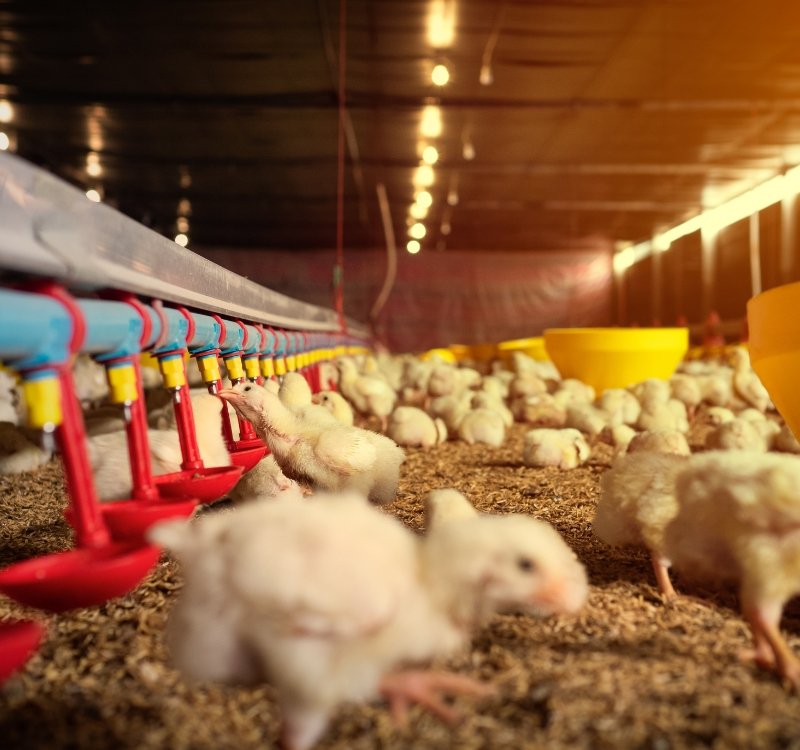
Some of the most commonly used drinkers include bell drinkers, nipple drinkers, and automatic watering systems. Nipple drinkers are widely used in modern poultry farms because they supply water directly to the bird while preventing spillage.
This system helps keep the poultry shed dry, which is very important for maintaining hygiene and reducing disease risks.
Poultry Cages
Poultry cages are mostly used in layer farms where egg production is the main goal. These cages are designed to house birds comfortably while making egg collection easier.
Layer cages are arranged in rows inside the poultry shed, allowing farmers to manage a large number of birds in a limited space. Eggs laid by the birds roll gently to the front of the cage, making them easy to collect without disturbing the birds.
Proper cage systems improve space utilization and help maintain better hygiene inside the poultry house.
Brooder Equipment
Brooding is one of the most critical stages in poultry farming. Newly hatched chicks are very sensitive to temperature changes and require a warm and comfortable environment.
Brooder equipment helps maintain the right temperature during the early life of chicks. This equipment may include brooder stoves, heating lamps, gas brooders, or electric brooders.
Maintaining the correct brooding temperature ensures that chicks grow healthy and strong during the first few weeks of life.
Ventilation Systems
Good ventilation is essential for maintaining air quality inside the poultry shed. Birds produce heat, moisture, and gases such as ammonia, which can accumulate in poorly ventilated houses.
Ventilation equipment such as exhaust fans, air inlets, and cooling systems help regulate temperature and remove harmful gases. Proper airflow keeps birds comfortable and prevents respiratory problems.
In modern poultry houses, automated ventilation systems adjust airflow based on temperature and humidity levels.
Egg Handling Equipment
In layer farms, egg handling equipment plays an important role in maintaining egg quality. Eggs must be collected carefully to prevent cracks and contamination.
Egg trays, egg belts, and storage racks are commonly used in poultry farms. These tools help farmers handle large quantities of eggs efficiently while maintaining cleanliness.
Proper egg handling also ensures that eggs reach the market in good condition.
Benefits of Using Modern Poultry Equipment
Modern poultry equipment offers many advantages compared to traditional farming methods. One of the biggest benefits is improved efficiency. Automated systems make it possible to manage large poultry farms with fewer workers.
Another advantage is better bird health. Equipment designed for hygiene and proper feed distribution helps reduce stress and disease among birds. When birds live in a comfortable environment, they tend to grow faster and produce more eggs.
Modern equipment also helps farmers monitor farm conditions more effectively. Temperature control systems, ventilation equipment, and automatic feeders allow farmers to maintain ideal conditions inside the poultry house.
Over time, these improvements lead to higher productivity and better profitability.
How to Choose the Right Poultry Equipment
Choosing the right poultry equipment requires careful planning. Farmers should consider the size of their farm, the type of poultry they are raising, and their long-term business goals.
Durability is one of the most important factors when selecting poultry equipment. Since farm equipment is used daily, it should be made from strong and corrosion-resistant materials.
Ease of cleaning is another important factor. Equipment that can be cleaned easily helps maintain hygiene inside the poultry shed and reduces the risk of disease outbreaks.
Farmers should also consider equipment that allows for future expansion. As the farm grows, scalable systems such as automatic feeders and drinkers can make expansion easier.
Working with reliable poultry equipment suppliers can also help farmers choose equipment that suits their specific farming needs.
Common Mistakes to Avoid When Buying Poultry Equipment
Many new poultry farmers make the mistake of choosing cheap equipment without considering quality. Low-quality equipment may break easily or require frequent repairs, which increases long-term costs.
Another common mistake is selecting equipment that does not match the farm size. For example, small feeders may not be suitable for large flocks, while oversized systems may be unnecessary for small farms.
Improper installation is another issue that can affect equipment performance. It is important to install feeders, drinkers, and ventilation systems correctly to ensure they work efficiently.
By planning carefully and choosing the right equipment, farmers can avoid these problems and create a more productive poultry farm.
The Future of Poultry Equipment
As technology continues to evolve, poultry farming is becoming more advanced. Modern poultry equipment now includes automated feeding systems, climate control systems, and digital monitoring tools.
Some farms even use sensors and smart technology to track bird health, feed consumption, and environmental conditions in real time. These innovations allow farmers to detect problems early and improve overall farm performance.
The demand for efficient poultry equipment will continue to grow as the poultry industry expands worldwide.
Conclusion
Poultry farming can be a highly profitable business when it is managed properly, and poultry equipment plays a major role in achieving success. From feeders and drinkers to cages and ventilation systems, every piece of equipment helps create a healthy and productive environment for birds.
Farmers who invest in high-quality poultry equipment often see improvements in bird health, feed efficiency, and overall farm productivity. As poultry farming continues to modernize, the use of reliable and well-designed equipment will remain one of the most important factors in running a successful poultry farm.
For anyone planning to start or expand a poultry farming business, understanding and selecting the right poultry equipment is an essential step toward long-term growth and sustainability.